
Experience
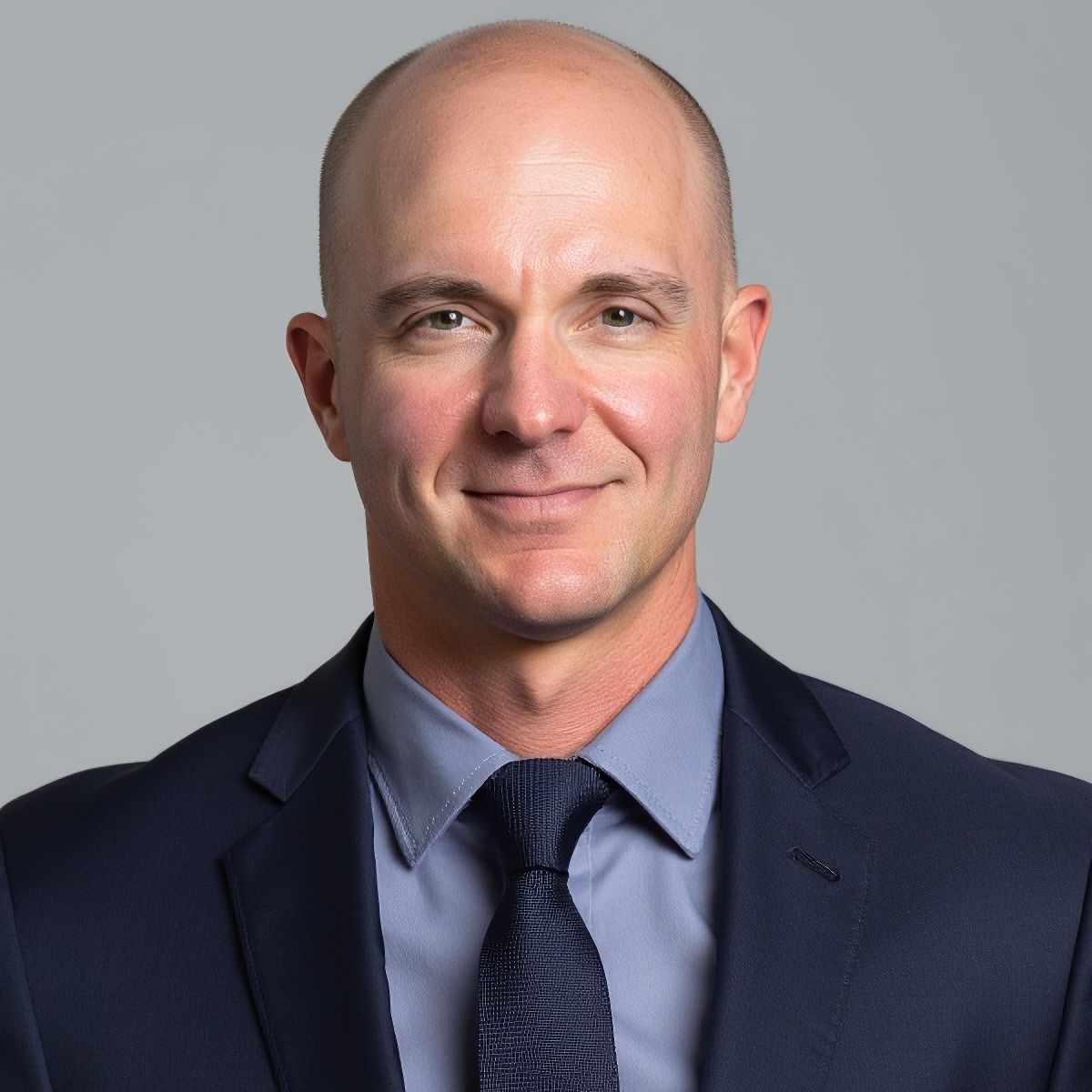
Experience isn't measured by how many marketing channels you've managed. It's measured by how many times you've had to make difficult business decisions.
Over the past two decades, I've built businesses, sold businesses, hired agencies, managed internal teams, led sales organizations, developed products, and sat on leadership teams responsible for growth.
I've experienced marketing from almost every seat in the company.
- Founder
- Sales leader
- Marketing leader
- EOS Integrator
Each role gave me a different perspective, but they all reinforced the same belief.
Marketing rarely fails because people aren't working hard. It fails because nobody owns the entire system.
When agencies own advertising, internal teams own content, freelancers own websites, sales owns revenue, and operations owns delivery, who owns marketing?
Usually nobody.
That's why CEOs end up making marketing decisions they shouldn't have to make. It's also why I believe companies don't need more marketing. They need executive marketing leadership.
Experience Builds Perspective
Throughout my career, I've had the opportunity to see marketing from perspectives that most marketers never experience.
I've hired agencies and been the agency. I've built internal teams, led cross-functional teams, managed budgets, owned sales targets, negotiated acquisitions, and sat in leadership meetings where growth decisions carried real consequences.
Those experiences taught me that marketing isn't just another department. It's one of the few functions that touches almost every part of a business, which means marketing decisions are rarely just marketing decisions.
They're business decisions.
Marketing touches every part of the business. That's why marketing decisions are business decisions.
Resilience Over Revenue
While building HotPress Web into a successful digital marketing agency, I learned that sustainable growth isn't just about winning new clients.
It's about building a business that can withstand change.
Early on, we experienced the risk of client concentration and the stability that recurring revenue creates.
We also discovered that the systems we were building for clients had value beyond the client work itself.
By packaging what we'd learned into products and intellectual property, we created an entirely new business.
That experience fundamentally changed the way I think about value creation.
The strongest businesses don't simply deliver products or services. They build systems that continue creating value long after the original work is done.
The strongest businesses don't just deliver value. They build systems that continue creating it.
Systems Over Tactics
Building UGURUS radically changed the way I think about growth.
On the surface, we were teaching agencies how to grow. Behind the scenes, we were building a business around a remarkably simple operating principle:
Understand one market exceptionally well, master one primary acquisition channel, and build systems that maximize value long after the initial sale.
Growth wasn't driven by chasing every new tactic. It came from improving the entire system: customer acquisition, lifetime value, retention, upsells, referrals. Every part worked together.
The hardest decision I ever made came when I realized we had to choose between becoming the software company we envisioned and the training company our customers needed.
That meant letting go of an incredibly talented software team and walking away from years of intellectual property we'd invested heavily to build.
It was one of the most difficult leadership decisions I've ever made.
But it also reinforced an important lesson. Great leadership isn't trying to do everything. It's having the discipline to focus on the thing that matters most.
That decision allowed everyone to flourish. Our team went on to build exceptional software elsewhere, and UGURUS became the training and coaching company it was meant to become.
I've carried that lesson into every business since.
The hardest leadership decisions aren't about what to pursue. They're about what to let go.
Adaptability Over Certainty
ECEJobs.com began because another business couldn't.
When the pandemic changed the world, the preschool location we planned to build disappeared almost overnight.
We pivoted instead of waiting for conditions to improve.
What emerged was something entirely different: a recruitment marketplace serving an industry facing one of the largest labor shortages in the country.
Eventually, we sold the business, but the most valuable lesson wasn't the exit.
It was recognizing that growth isn't always constrained by customer demand.
Sometimes it's constrained by talent.
Companies spend enormous energy attracting customers, but attracting exceptional employees is just as important.
Without the right people, sustainable growth becomes impossible.
Businesses rarely stop growing because opportunity disappears. They stop growing because capacity does.
Every new business has forced me back to the same set of questions.
Who is the customer?
What problem are they trying to solve?
How do we stay focused?
How do we build repeatable systems?
Those questions never change, even when the industries, tools, and technologies do. Great leadership remains the north star, even as channels, platforms, and AI continue to evolve.
That's why CEOs trust me to lead marketing.
- Not because I've managed every marketing channel.
- Not because I've launched fancy campaigns.
- Not because I've accumulated an impressive resume.
Because I've spent two decades making the same kinds of decisions CEOs make every day.
I've experienced the pressure of making payroll, allocating scarce resources, building teams, making difficult personnel decisions, and deciding where to place the next bet on growth.
Experience taught me that marketing doesn't need more activity.
It needs ownership.
It needs accountability.
It needs executive leadership.
Perspectives
Experience doesn't guarantee success. It helps you recognize patterns before they become costly mistakes.
If you're looking for someone who's spent two decades making the same kinds of growth decisions CEOs make every day, let's connect.